
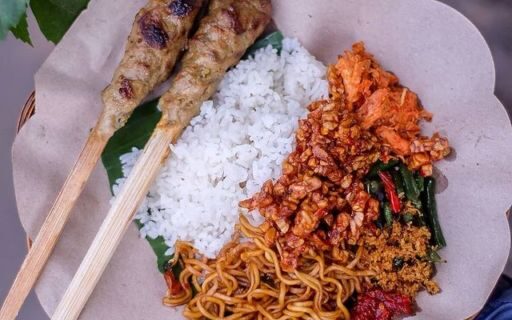
Nasi campur a beloved Indonesian and Malay dish is more than just a mealits a cultural expression that reflects the rich diversity of Southeast Asian cuisine Known as mixed rice in Indonesian and Malay this dish is a staple across Indonesia Malaysia Singapore Brunei and even parts of Thailand and the Netherlands With its roots deeply embedded in the regions culinary traditions nasi campur offers a unique blend of flavors and textures that have captivated food lovers for generations
At its core nasi campur consists of steamed white rice accompanied by an assortment of side dishes including meats vegetables peanuts eggs and fried shrimp krupuk This concept has parallels across Asia and the Pacific such as khao kaeng in Thailand cơm bình dân in Vietnam and the plate lunch in Hawaii However in the Indonesian and Malay speaking regions the term nasi campur is the most widely recognized name for this style of meal
Origins and Cultural Significance
The origins of nasi campur are as diverse as the regions it spans While there is no single recipe or definition the dish is commonly perceived as steamed rice surrounded by various dishes served in personal portions Unlike tumpeng which is served in larger collective portions or rijsttafel which was presented in lavish colonial banquets nasi campur is a more intimate and accessible meal
In Indonesia nasi campur refers to any kind of rice surrounded by various dishes while in Malaysia and Brunei it commonly refers to Malay mixed rice The term can also encompass non Malay versions like Nasi campur Cina Chinese style nasi campur nasi campur Orang Ulu and nasi campur Iban In Japan the United States and most foreign countries nasi campur often refers to the Balinese version while in the Netherlands it most often refers to Indo colonial nasi rames
Regional Variations and Local Flavors
One of the most fascinating aspects of nasi campur is its regional variations From Java to Bali from the Malay Peninsula to Borneo each area has developed its own unique take on this dish For example in Bali the mixed rice called nasi campur Bali or simply nasi Bali is a favorite among tourists This Balinese version is known for its use of basa genep a typical Balinese spice mix used as the base for many curry and vegetable dishes It may include grilled tuna fried tofu cucumber spinach tempeh beef cubes vegetable curry corn and chili sauce on the bed of rice
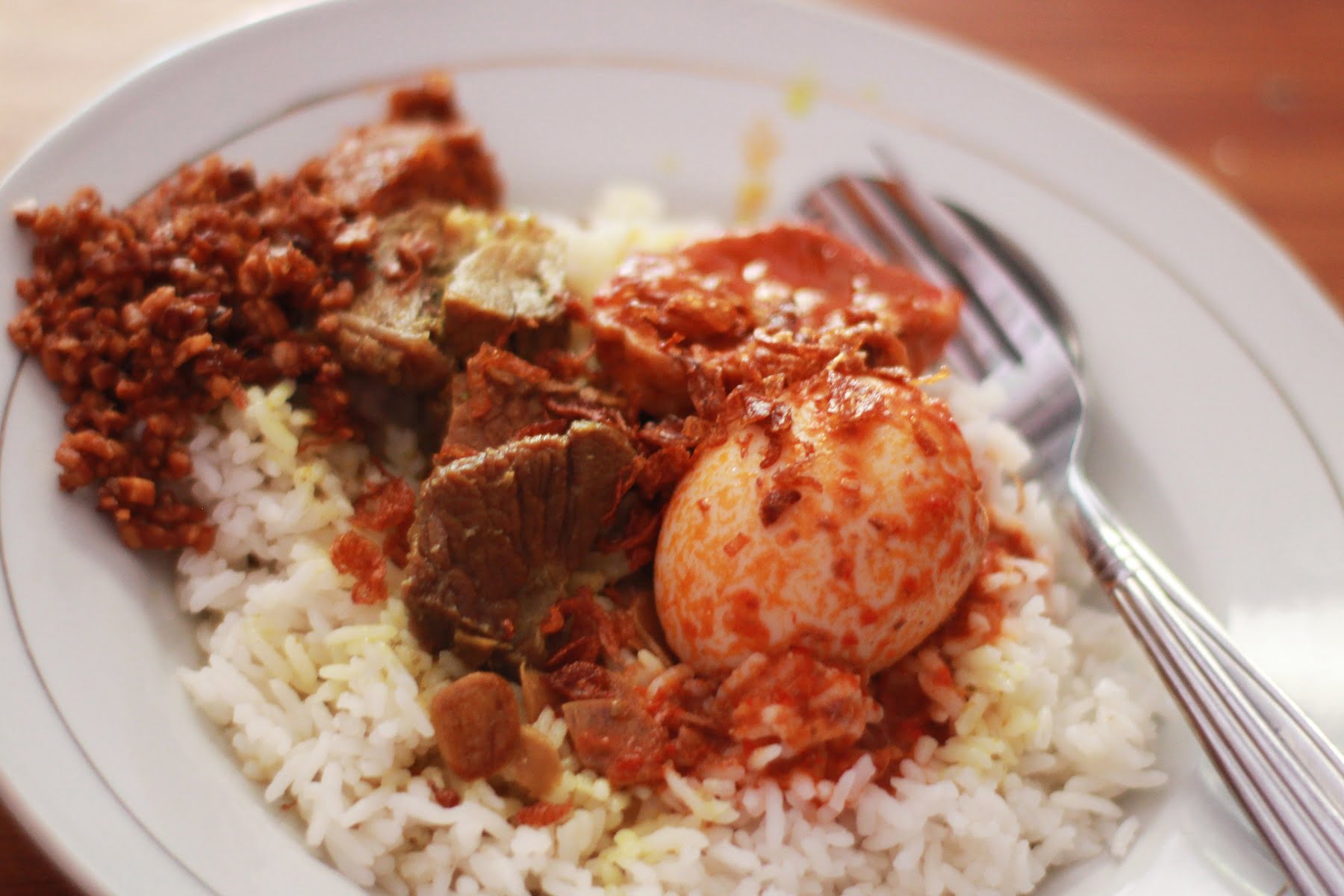
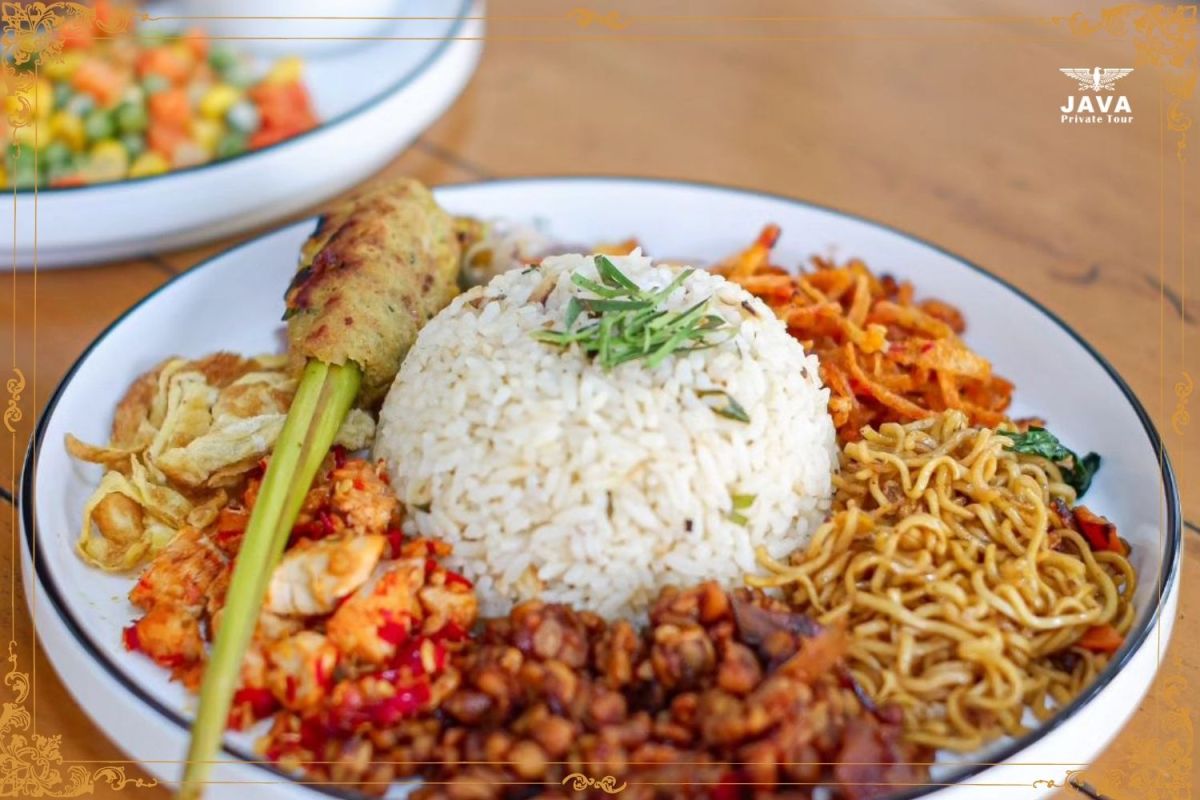
In Java nasi campur is often called nasi rames and one dish that is usually found in a Javanese nasi campur is fried noodles The combination known as nasi rames was created in West Java during World War II by the Indo Eurasian cook Truus van der Capellen who ran the Bandung soup kitchens during and after the Japanese occupation Later she opened a restaurant in the Netherlands and made the dish equally popular there
In the Minangkabau region of Indonesia nasi Padang is a quintessential dish of Minangkabau food culture It consists of steamed rice accompanied by a variety of pre cooked dishes including meats fish vegetables and spicy sambals Nasi Kapau a related dish from Nagari Kapau in Bukittinggi is often described as the Minangkabau version of mixed rice

In Malaysia and Brunei the Malay nasi campur is the most prevalent version It typically features a base of steamed white rice accompanied by a diverse selection of side dishes such as curries grilled meats vegetables and sambals The dishes found in a typical Malay nasi campur are known for their bold and aromatic flavors achieved through the use of traditional spices and herbs
The Role of Nasi Campur in Daily Life
Nasi campur is not just a meal it is a way of life for many in Southeast Asia It is a staple meal that is enjoyed by people of all backgrounds from street vendors to high end restaurants In many communities nasi campur is served in a casual self service manner allowing diners to build their plates from a buffet like display creating a balanced meal in a single serving
In the Chinese Indonesian community nasi campur Tionghoa refers to a combo set menu of various Chinese barbecued meats such as char siew crispy roast pork sweet pork sausage and pork satay This dish is usually served with simple Chinese chicken soup or sayur asin an Indonesian clear broth of pork bones with fermented mustard greens
Conclusion
Nasi campur is a testament to the rich culinary heritage of Southeast Asia Its versatility adaptability and ability to reflect local culture make it a dish that transcends borders Whether youre enjoying a simple bowl of nasi campur in a small warung or a lavish feast in a fine dining restaurant the experience is always memorable As we continue to explore the worlds cuisines nasi campur remains a shining example of how food can bring people together and celebrate the diversity of our global community