
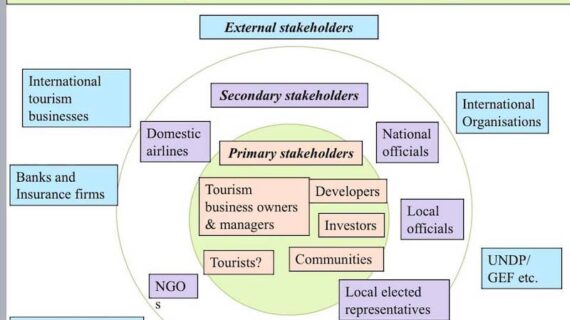
Tourism has long been a cornerstone of economic development particularly in rural and underdeveloped regions However the traditional model of tourism often leads to environmental degradation cultural erosion and socio economic inequality In recent years there has been a growing emphasis on sustainable tourismapproaches that balance economic growth with environmental preservation and social equity Central to this transformation is the concept of collaborative governance which involves partnerships between local communities government bodies private enterprises and other stakeholders to ensure that tourism development is inclusive resilient and environmentally responsible
This article explores the latest research and case studies from around the world that highlight the role of collaboration in achieving sustainable tourism From Indonesia to China and from Saudi Arabia to Greenland these examples demonstrate how cooperative models can lead to more equitable and sustainable outcomes for both communities and the environment
The Role of Open Innovation and Stakeholder Collaboration
One of the most significant trends in sustainable tourism is the integration of open innovation strategies According to Achmad et al 2023 open innovation fosters the exchange of ideas and resources among various stakeholders including local communities businesses and academic institutions This collaborative approach enables the creation of innovative solutions that address the unique challenges faced by tourism villages
In their study the authors emphasize the importance of stakeholder engagement in developing a support system that ensures long term sustainability For instance involving local residents in decision making processes not only enhances their sense of ownership but also increases the likelihood of successful implementation of sustainable practices
Case Studies in Sustainable Tourism

Several case studies illustrate the effectiveness of collaborative governance in different contexts For example Altassan 2023 examines the sustainability of heritage villages through eco tourism investment focusing on Al Khabra Village in Saudi Arabia The study reveals that when local communities are actively involved in planning and managing tourism activities it leads to better conservation of cultural and natural resources
Similarly Anaf et al 2024 analyze the resilience of families with elderly members during the COVID 19 pandemic in two tourism villages in Yogyakarta Indonesia Their findings show that strong community networks and adaptive strategies played a crucial role in maintaining the well being of vulnerable groups during the crisis
Environmental Sustainability and Community Resilience

Environmental sustainability remains a key concern in tourism development Arfan et al 2024 conducted an analysis of mangrove density using NDVI and macrobenthos diversity in Ampekale Tourism Village South Sulawesi Indonesia Their research highlights the importance of ecological monitoring in ensuring that tourism does not harm the delicate marine ecosystems
Another study by Kusumastuti et al 2024 explores how leveraging local values can encourage sustainable tourism in post smart tourism villages By emphasizing traditional practices and local knowledge these villages can maintain their cultural identity while adapting to modern tourism demands
Challenges and Opportunities in Collaborative Governance

Despite the many benefits of collaborative governance several challenges must be addressed Bichler and Lösch 2019 discuss the complexities of community oriented destination management highlighting the need for effective communication and conflict resolution mechanisms They argue that without clear frameworks for collaboration misunderstandings and power imbalances can undermine the success of tourism initiatives
In addition Guo and Jordan 2022 examine the issue of social exclusion and conflict in Likeng Village China Their study shows that marginalized groups such as ethnic minorities or low income households may be excluded from tourism benefits unless deliberate efforts are made to include them in decision making processes
Future Directions and Policy Implications

Looking ahead the future of sustainable tourism will depend on continued collaboration and innovation Buchari et al 2024 suggest that co creating sustainability and urban resilience in Bandung Regency Indonesia requires a multi level approach that integrates policy technology and community participation
Moreover Fidian et al 2024 explore the role of English literacy in tourism villages arguing that language skills can enhance the competitiveness of local businesses and improve visitor experiences This underscores the need for education and training programs that empower local communities
Conclusion
The path to sustainable tourism is complex and multifaceted requiring the active participation of all stakeholders Through collaborative models that prioritize environmental protection social equity and economic resilience tourism villages can thrive without compromising their natural and cultural heritage As the global demand for responsible travel continues to grow the lessons learned from these studies will be invaluable in shaping the future of tourism worldwide
By embracing open innovation fostering community engagement and addressing systemic challenges we can create a more inclusive and sustainable tourism industry that benefits both people and the planet