
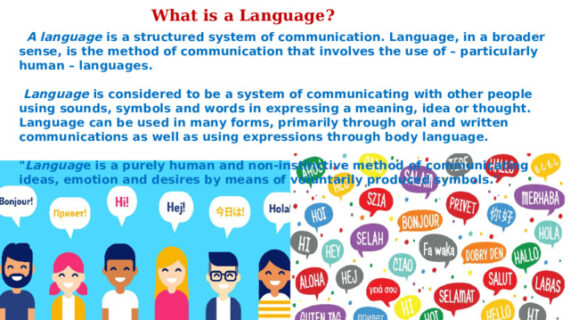
Language is a fundamental aspect of human existence serving as the primary medium through which individuals communicate express themselves and connect with others It is not merely a collection of sounds or symbols but a complex system that shapes and reflects the culture identity and social structures of communities around the world From its definition to its various functions and characteristics language plays a pivotal role in shaping human interaction and understanding
What Is Language
According to the Kamus Besar Bahasa Indonesia KBBI language is a system of arbitrary vocal symbols used by society for cooperation interaction and self identification This definition highlights the core function of language as a tool for communication but it also underscores its broader role in cultural and social contexts Several linguists and anthropologists have contributed to our understanding of language offering diverse perspectives on its nature and purpose
Key Definitions from Linguists
- Finocchiaro 1964 Language is a vocal system that allows people within a culture to communicate
- Pei Gaynor 1954 Language is a communication system using vocal symbols that are arbitrary and conventional
- Sapir 1921 Language is a method of expressing ideas emotions and desires using symbolic systems
- Koentjaraningrat 1992 Language is part of culture and the two are interrelated
- Levi Strauss 1972 Language is a product of culture reflecting the values and practices of a society
- Ferdinand De Saussure 1857 Language is divided into three components langage the general concept of language langue the structured system of a language and parole the actual use of language
These definitions collectively emphasize that language is a shared system of symbols and rules that enable human communication and cultural expression
Functions of Language
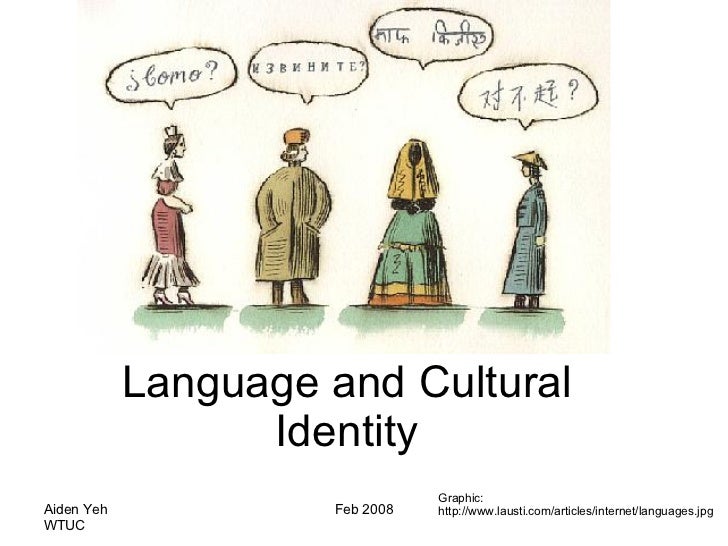
Language serves multiple purposes in human society extending beyond mere communication
- Communication The primary function of language is to facilitate interaction between individuals
- Self Expression Language allows individuals to express their thoughts feelings and identities
- Social Integration and Adaptation Language helps individuals integrate into new environments and adapt to different social contexts
- Social Control The choice of language can influence how individuals are perceived and treated within a community
Each of these functions highlights the versatility and importance of language in everyday life
Role of Language in Society
Language is deeply embedded in the fabric of society influencing and being influenced by cultural norms social hierarchies and historical developments
1 Cultural Element
As noted by Koentjaraningrat language is one of the key elements of culture It provides insight into the values beliefs and practices of a community Anthropologists often study the language of a group to better understand its cultural context
2 Social Stratification
The way people speak can indicate their social status For example in some languages there are different levels of formality or dialects that reflect social class or regional identity
3 Cultural Symbol
Language acts as a symbol of cultural identity Dialects accents and variations in speech can signify a persons background heritage and belonging to a particular group
Varieties of Language
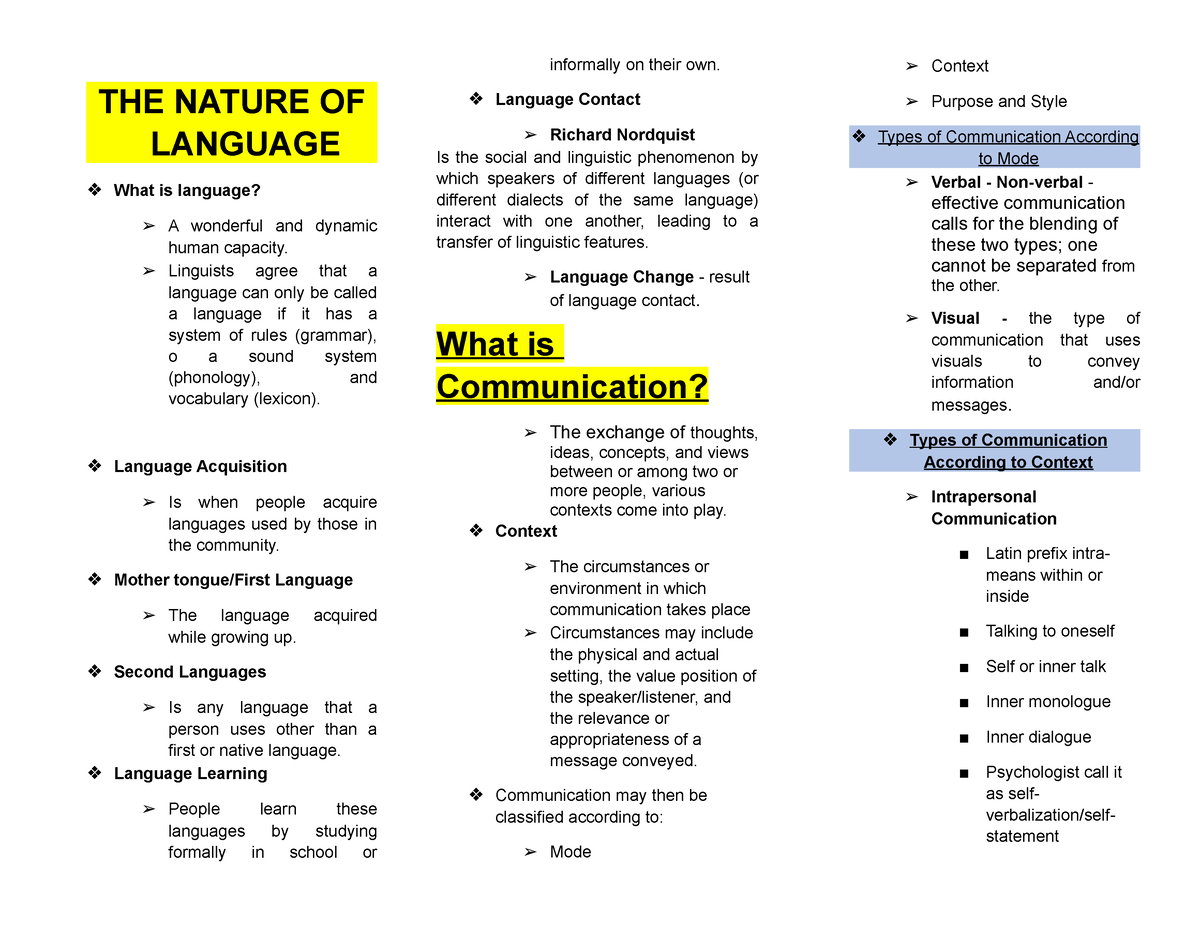
Languages vary in their usage context and structure According to Mustakim 1994 language varieties can be categorized based on
- Usage Spoken vs written language
- Situation Formal vs informal language
- Field of Use Educational medical or professional contexts
These variations allow language to adapt to different situations and needs making it a flexible and dynamic tool
Characteristics of Language
Language possesses several unique features that distinguish it from other forms of communication
- Systematic Language is a structured system of sounds and meanings
- Unique and Idiosyncratic Each language has its own distinct features and expressions
- Universal Language is accessible to all humans regardless of background
- Dynamic Language evolves over time reflecting changes in society and culture
- Diverse There are numerous variations of language shaped by geography history and social factors
These characteristics highlight the complexity and adaptability of human language
The Uniqueness of Human Language

Human language stands out due to its productivity recursion and flexibility Unlike animal communication which is often limited and instinctual human language allows for the creation of an infinite number of expressions It also enables abstract thinking the ability to refer to past and future events and the use of multiple modalities such as speech sign language and writing
The Evolution of Language
The origins of language remain a topic of debate among scholars Some theories suggest that language evolved gradually from pre linguistic systems while others propose that it emerged suddenly as a uniquely human trait Regardless of its origin language has played a crucial role in the development of human societies enabling cooperation cultural transmission and the formation of complex social structures
Language and the Brain
The brain is the central organ responsible for processing and producing language Areas such as Brocas and Wernickes regions are essential for language comprehension and production Neurological studies have shown that language is not only a cognitive function but also a social and cultural phenomenon
Language Acquisition
Children acquire language naturally through interaction with their environment By the age of three most children can speak fluently This process is influenced by both innate biological factors and social learning highlighting the interplay between nature and nurture in language development
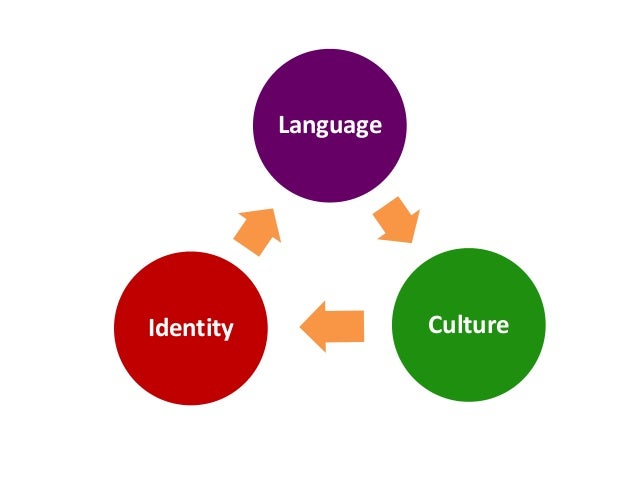
Language and Culture
Language and culture are closely intertwined Language reflects the values beliefs and traditions of a community while culture shapes the ways in which language is used and understood Sociolinguistics explores how language varies across different groups and how it influences social identity and power dynamics
Challenges Facing Language
Despite its importance many languages are at risk of extinction due to globalization urbanization and the dominance of major languages Efforts to preserve and revitalize endangered languages are critical for maintaining cultural diversity and linguistic heritage
Conclusion
In conclusion language is a multifaceted and essential component of human life It is a system of communication that reflects the complexity of human thought culture and society From its role in daily interactions to its impact on identity and social structure language continues to shape and be shaped by the world around us Understanding the nature and significance of language is vital for appreciating the richness of human communication and the diversity of global cultures