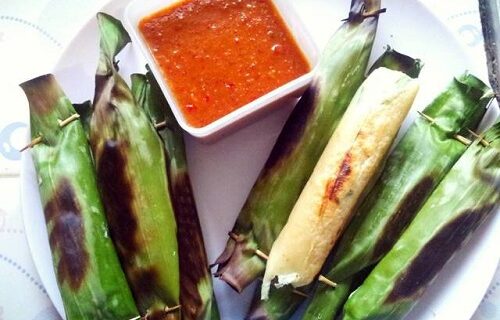
Otak otak a beloved dish from the Riau Archipelago has captured the hearts of many with its unique flavor and cultural significance This traditional food often enjoyed as a snack or side dish is a testament to the rich culinary heritage of the region While otak otak is found across Indonesia the version from the Riau Archipelago stands out due to its distinct ingredients preparation methods and regional variations
The Cultural Roots of Otak Otak
Otak otak is believed to be a fusion of Malay and Peranakan Chinese Indonesian culinary traditions Its origins can be traced back to the intermingling of these cultures in the Riau Archipelago where the blend of spices and cooking techniques created a dish that is both flavorful and deeply rooted in local history The name otak otak itself is derived from the Malay word for brain which refers to the soft delicate texture of the dish reminiscent of brain tissue
The preparation of otak otak begins with fresh fish typically white fleshed varieties like tenggiri or palai which are ground into a smooth paste This mixture is then combined with a blend of spices such as garlic shallots turmeric and lemongrass Some variations also include chili which gives the dish its signature heat What sets Riaus otak otak apart is the use of red coloring agents like paprika or chili paste resulting in a vibrant red or orange hue that distinguishes it from other regional versions
Regional Variations and Unique Preparations
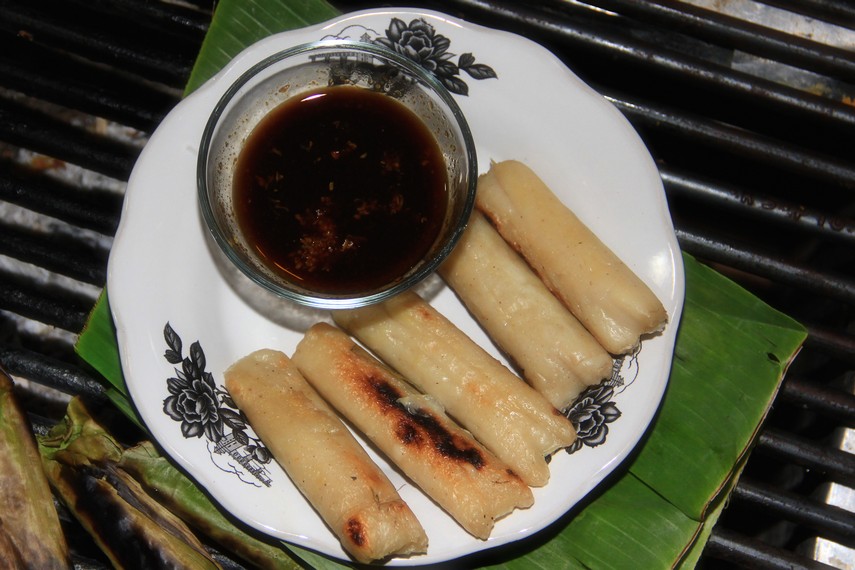
While the basic recipe remains consistent the way otak otak is prepared and served varies significantly across different regions In Palembang for instance otak otak is commonly paired with cuko a sweet and sour vinegar sauce made from tamarind sugar and sometimes shrimp paste In Bangka Belitung the sauce is further enhanced with the addition of shrimp paste terasi and soy sauce tauco creating a more complex flavor profile
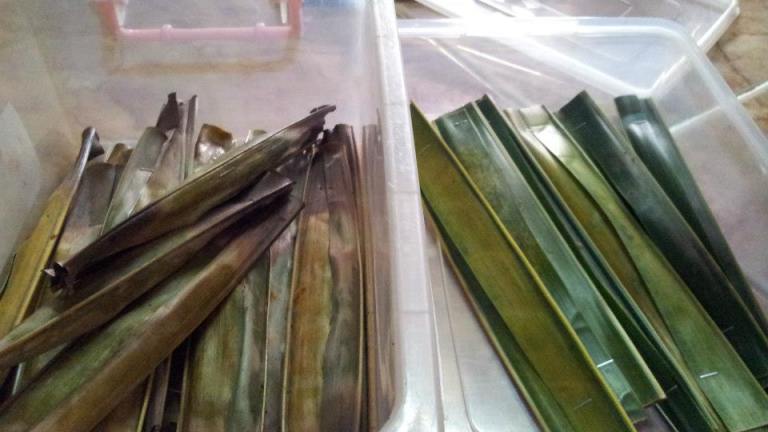
In Jakarta and Makassar the dish is often served with a spicy peanut sauce offering a different taste experience However the most distinctive variation comes from the Riau Archipelago where the use of coconut leaves or nipah leaves as a wrapping material adds a unique smoky aroma These leaves are not only practical but also contribute to the dishs signature charred flavor when cooked over an open flame

Unlike other regions where otak otak is typically steamed the Riau version is often grilled or roasted on charcoal giving it a crispy exterior and a tender interior This method enhances the natural flavors of the fish and spices while imparting a smoky depth that is hard to replicate
Ingredients and Local Variations
Beyond fish some recipes in the Riau Archipelago incorporate alternative proteins such as crab shrimp or squid sotong These variations reflect the regions abundant marine resources and the adaptability of local cuisine For example in Tanjungpinang the capital of the Riau Archipelago otak otak is often made with a mix of fish and seafood creating a richer and more diverse flavor
The use of specific ingredients also highlights the importance of local markets and fishing communities Fishermen bring their daily catch to the city where vendors prepare otak otak using fresh high quality seafood This connection between the land and sea is a vital part of the regions identity and culinary culture
Otak Otak as a Cultural Icon

Otak otak is more than just a dish it is a symbol of the Riau Archipelagos cultural diversity and historical legacy Its presence at local markets especially near the Sri Bintan Pura Port in Tanjungpinang underscores its role as a popular street food and souvenir Vendors set up stalls along the port entrance offering freshly grilled otak otak to tourists and locals alike
A single packet of otak otak costs around 1000 IDR but larger packages containing 50 pieces are sold for 50000 IDR often including a few extra servings as a bonus This affordability makes it a favorite among visitors looking for a taste of local flavor to take home
Conclusion
From its humble beginnings as a simple fish paste to its current status as a celebrated dish otak otak reflects the dynamic evolution of Indonesian cuisine The Riau Archipelagos version with its fiery spice smoky aroma and vibrant color offers a unique experience that is distinct from other regional adaptations Whether enjoyed as a quick snack or a cherished souvenir otak otak continues to captivate those who sample it serving as a delicious reminder of the regions rich cultural tapestry