Indonesia is a nation of islands each with its own unique cultural identity and culinary traditions Among the many facets of this rich heritage traditional steamed cakes stand out as a symbol of regional diversity and historical depth From the bustling streets of Medan to the serene landscapes of Kalimantan these cakes are more than just dessertsthey are a testament to Indonesias vibrant history and the ingenuity of its people
This article delves into the world of 30 traditional steamed cakes from across the archipelago highlighting their distinct flavors ingredients and cultural significance Whether youre a food enthusiast or a curious traveler these cakes offer a glimpse into the soul of Indonesia
The Origins and Significance of Traditional Steamed Cakes in Indonesia
Traditional steamed cakes known locally as kue basah have been an integral part of Indonesian cuisine for centuries These cakes are not only a source of sustenance but also hold deep cultural and religious meanings For example apem is often associated with the Islamic month of Ramadan while bika ambon is a staple in Sumatras culinary landscape
Many of these cakes have roots in ancient Javanese and Malay traditions influenced by trade routes that brought spices ingredients and techniques from across Asia Over time these cakes evolved incorporating local flavors and methods resulting in a diverse array of steamed delicacies that reflect the countrys multicultural heritage

Popular Traditional Steamed Cakes Across Indonesia

1 Bika Ambon
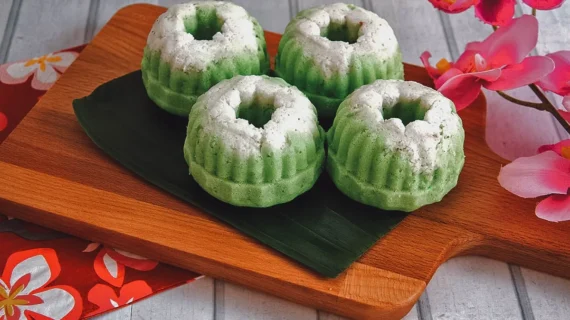
Originating from Medan bika ambon is a beloved steamed cake known for its spongy texture and sweet aromatic flavor Made from eggs sugar and coconut milk it is fermented for seven hours giving it a unique taste Its name comes from the street where it was first sold Jalan Ambon
2 Amparan Tatak
Hailing from Kalimantan amparan tatak is a steamed cake made from rice flour coconut milk and bananas It has a firm texture and a subtle sweetness making it a favorite during special occasions
3 Klepon
Klepon is a classic Javanese cake shaped like small balls filled with palm sugar and wrapped in grated coconut Its green color comes from pandan leaves adding a refreshing aroma and flavor
4 Cucur
Cucur is a popular snack from Jakarta and surrounding areas It is made from a mixture of rice flour and palm sugar fried until golden brown The outer layer is crispy while the inside is soft and chewy
5 Maksuba
From Palembang maksuba is a layered cake made with duck eggs condensed milk butter and sugar It is baked slowly creating a delicate flaky texture Historically it was a delicacy reserved for the wealthy due to the high cost of duck eggs
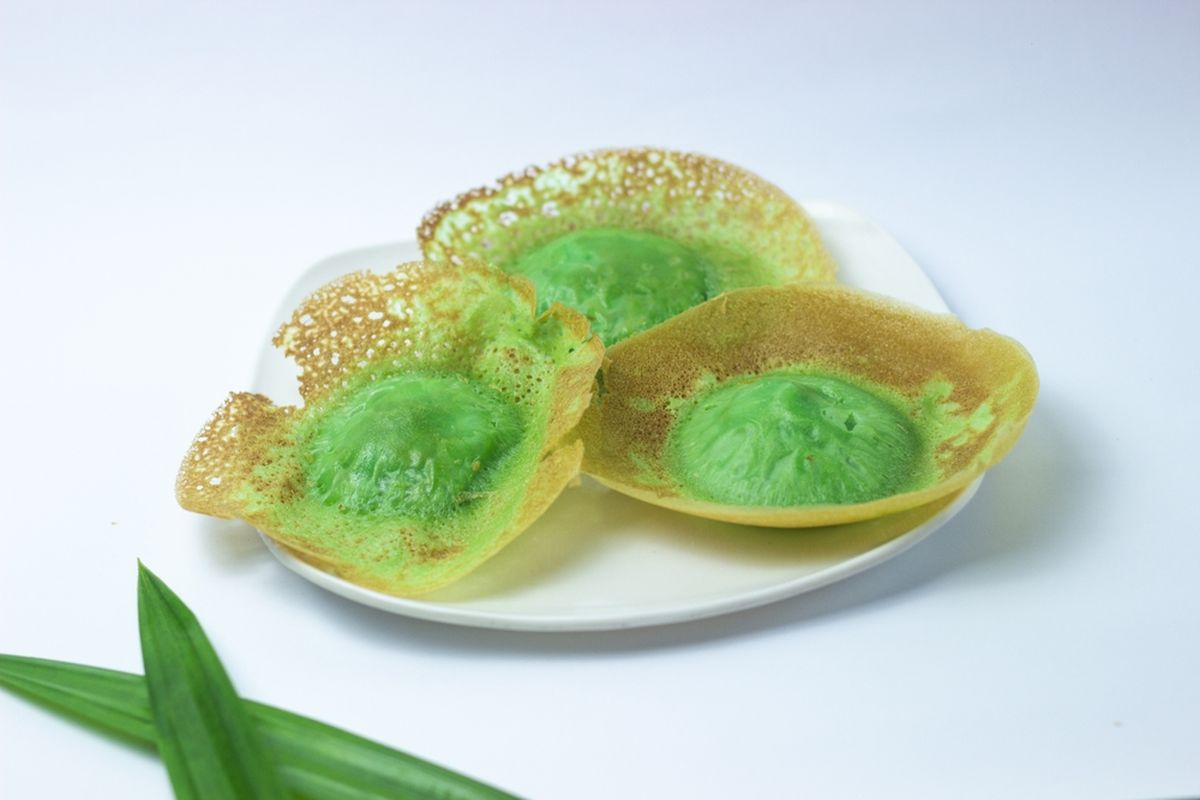
6 Ape
Ape is a Betawian cake that resembles a small cupcake It is made from rice flour wheat flour baking powder and pandan extract The center is moist and chewy while the edges are slightly crispy
7 Putu
Putu is a steamed cake that is cooked in bamboo tubes It is made from rice flour and palm sugar and is often served with grated coconut The sound of the steam escaping from the bamboo tubes is a familiar melody in markets
8 Pancong
Pancong is a crescent shaped cake from West Java made from rice flour and coconut milk It is usually topped with sugar and has a sweet savory flavor
9 Gethuk
Gethuk is a simple yet delicious cake made from cassava sugar and coconut It is commonly found in Central and East Java often sold by street vendors who ride bicycles with loud music playing
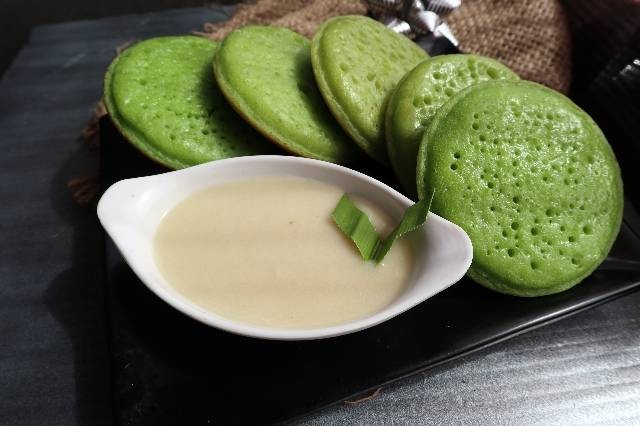
10 Serabi
Serabi is a pancake like cake found in various regions including Solo and Bandung It is made from rice flour coconut milk and grated coconut Some versions are sweet while others are savory
Regional Specialties and Cultural Importance
Each region in Indonesia has its own signature steamed cakes reflecting local ingredients and customs For instance
- Bingka from Kalimantan Selatan is a sweet soft cake often enjoyed during Ramadan
- Nagasari from Yogyakarta is a steamed cake wrapped in banana leaves made from rice flour and coconut milk
- Lumpia from Semarang is a spring roll filled with vegetables meat or seafood showcasing the influence of Chinese cuisine
These cakes are not only consumed for pleasure but also play a role in rituals and celebrations For example kue talam is often served during family gatherings while kue putu ayu is a common sight at weddings and festivals
Preserving the Legacy of Traditional Steamed Cakes
Despite the rise of modern fast food and international cuisines traditional steamed cakes continue to thrive Many families pass down recipes through generations ensuring that these flavors remain alive In recent years there has been a growing interest in preserving and promoting these culinary treasures both within Indonesia and abroad
Efforts such as food festivals cooking classes and online platforms have helped introduce traditional cakes to a wider audience As more people seek authentic experiences these steamed cakes serve as a bridge between the past and the present connecting generations through taste and tradition
Conclusion
The diversity of traditional steamed cakes in Indonesia is a reflection of the countrys rich cultural tapestry From the sweet and spongy bika ambon to the chewy kue cucur each cake tells a story of its origin ingredients and the people who cherish it As we celebrate these culinary delights we also honor the heritage that makes Indonesia truly unique
Whether youre enjoying a klepon on a rainy afternoon or savoring a serabi with friends these cakes remind us of the beauty of tradition and the joy of sharing food So next time you visit Indonesia dont miss the chance to taste these iconic steamed cakes and experience the flavors of a nation that has mastered the art of sweetness