
Ballo a traditional alcoholic beverage from the Toraja region in Indonesia holds deep cultural significance Known locally as Mayang or Manyang it is often referred to as Tuak in Indonesian and Local Alcoholic Beverage in English For the Bugis people Ballo symbolizes the importance of preserving cultural heritage The drink comes in two main varieties Ballo Kacci and Ballo Cenning Its production involves a meticulous process that has been passed down through generations reflecting the communitys connection to nature and tradition
The Cultural Significance of Ballo
The word Ballo carries profound philosophical meaning Traditionally consumed during customary ceremonies it serves as a medium to foster strong interpersonal relationships within the community In Toraja culture Ballo is also seen as a symbol of masculinity and bravery It is believed that consuming Ballo instills courage and prepares individuals for challenges they may face Additionally it is viewed as a source of mental tranquility and blessings for those who partake in it
This cultural reverence for Ballo underscores its role beyond mere consumption It is a ritualistic element that strengthens social bonds and reinforces communal values The act of sharing Ballo during gatherings fosters unity and respect among participants making it an essential part of Torajan identity
The Process of Making Ballo

To create Ballo specific materials are required The primary ingredient is the sap nira of mature palm trees such as aren lontar or nipah These trees must be at least five years old to ensure a sufficient yield Essential tools include a small knife ropes made from rotan or plastic and bamboo tubes or clean jerrycans to collect the nira
The process begins by selecting a healthy flowering tree The flower stalks are gently tapped daily for three to five days to soften the fibers and encourage nira flow A small portion of the male flower stalk is carefully cut and a container is placed beneath the cut to collect the dripping nira This process is repeated daily with the nira collected twice a daymorning and evening
After collection the nira is left to ferment naturally for 4 8 hours transforming into sweet Ballo For a stronger version the nira can be left longer to allow further fermentation Some communities add bark from laja laja or jackfruit trees to accelerate fermentation and enhance flavor

This method of production highlights the harmony between human activity and natural processes The careful attention to detail in each step ensures the quality and authenticity of the final product preserving the traditions of the Toraja people
The Role of Jackfruit in Agriculture
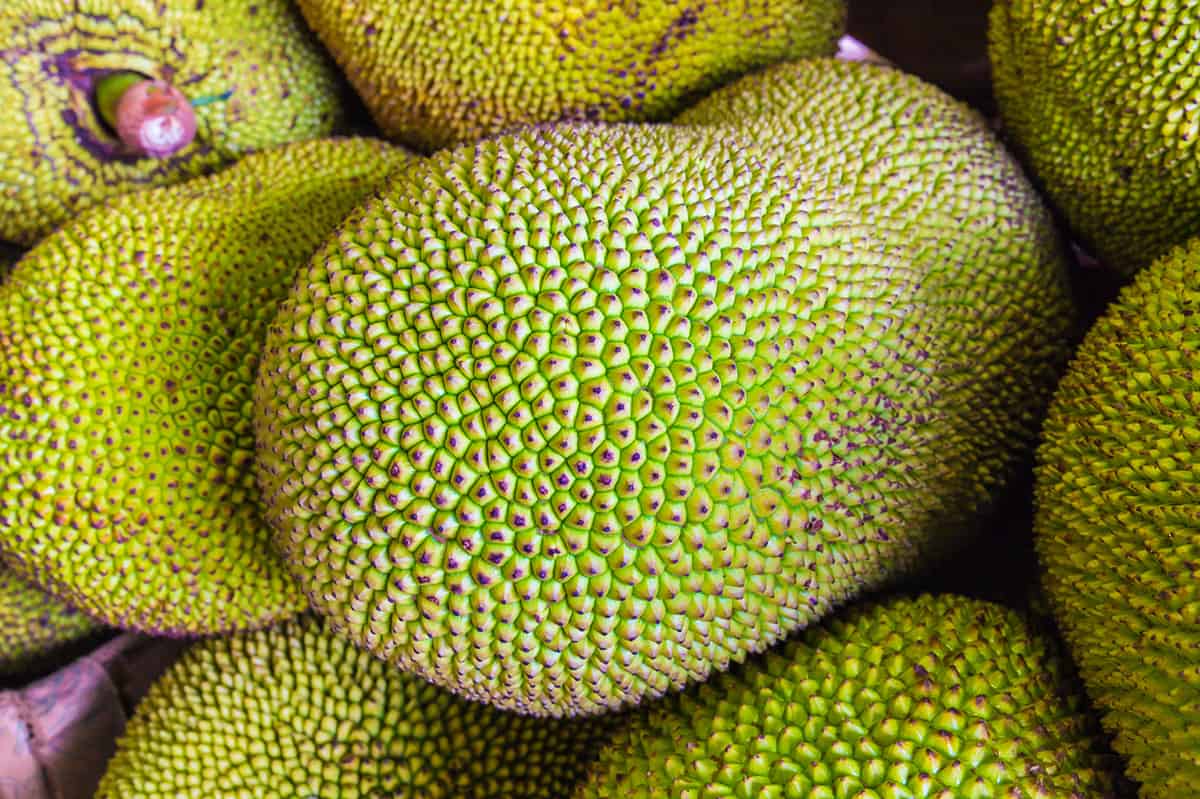
While Ballo is a cultural treasure the jackfruit Artocarpus heterophyllus plays a significant role in agriculture Known as nangka in Indonesian this fruit is widely cultivated for its versatility and nutritional value The jackfruit tree belongs to the Moraceae family and is known for its large sweet fruits
For farmers choosing high quality seeds is crucial for successful cultivation Professional growers often have the expertise to produce superior seedlings while beginners require guidance and experience One effective propagation technique is cangkok susu a method that differs from conventional grafting
Cangkok Susu An Innovative Grafting Technique
Cangkok susu involves using multiple young roots of the same species attached to a mature branch This technique offers several advantages over traditional grafting methods It allows for faster growth stronger root systems and quicker fruiting Unlike conventional grafting which requires a standard sized branch cangkok susu can be applied to larger branches making it more versatile
The process begins by preparing young seedlings which are then trimmed and grafted onto the selected branch A layer of cocopeat or wood shavings is used as a medium wrapped in plastic and secured with tape or rafia This method ensures optimal conditions for root development and plant survival

Key steps in the cangkok susu technique include
- Preparation of Seedlings Select healthy seedlings and trim them to the appropriate size
- Branch Selection Choose a suitable branch on the parent tree and make precise cuts to prepare for grafting
- Grafting Attach the seedling to the branch ensuring a tight fit and securing it with tape or plastic
- Media Application Use cocopeat as a growing medium ensuring it is properly sterilized and moistened before application
- Monitoring Regularly check the graft site for signs of successful integration and adjust as needed
This innovative technique not only enhances the growth of jackfruit plants but also promotes sustainable farming practices By utilizing cangkok susu farmers can achieve higher yields and better quality fruits contributing to the economic and environmental well being of their communities
In conclusion both Ballo and jackfruit cultivation reflect the rich cultural and agricultural heritage of Indonesia Ballo with its deep rooted traditions continues to play a vital role in Torajan society while the jackfruit through advanced propagation techniques like cangkok susu supports sustainable agricultural practices Together they highlight the importance of preserving indigenous knowledge and embracing modern innovations for future generations