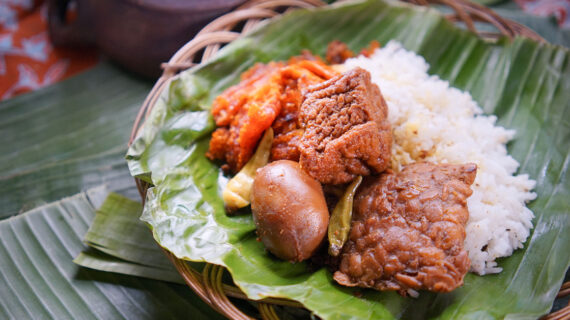
Gudeg a beloved dish from the heart of Indonesia is more than just a mealits a cultural symbol deeply rooted in the traditions of Yogyakarta and Central Java This unique dish made from unripe jackfruit nangka muda and simmered in coconut milk has captivated both locals and international food enthusiasts for centuries Its rich history complex flavors and versatility have made it a staple in Indonesian cuisine In this article we explore the origins preparation and significance of gudeg as well as its journey from a humble home cooked meal to a globally recognized delicacy
Origins and Legend

The story of gudeg begins with a legend tied to the founding of the Mataram Sultanate in the late 16th century According to local folklore during the construction of the new capital in what is now Yogyakarta soldiers faced a shortage of food supplies However they discovered that the dense forests were abundant with jackfruit and coconut trees To make the unripe jackfruit edible they boiled it in coconut milk while stirring it with a wooden paddlethis process was known as hangudêk in Javanese From this act the name gudeg is believed to have originated
This legend not only highlights the resourcefulness of the people but also underscores the deep connection between gudeg and the regions cultural identity Over time the dish evolved incorporating various spices and ingredients that gave it its distinct flavor and color
Ingredients and Preparation
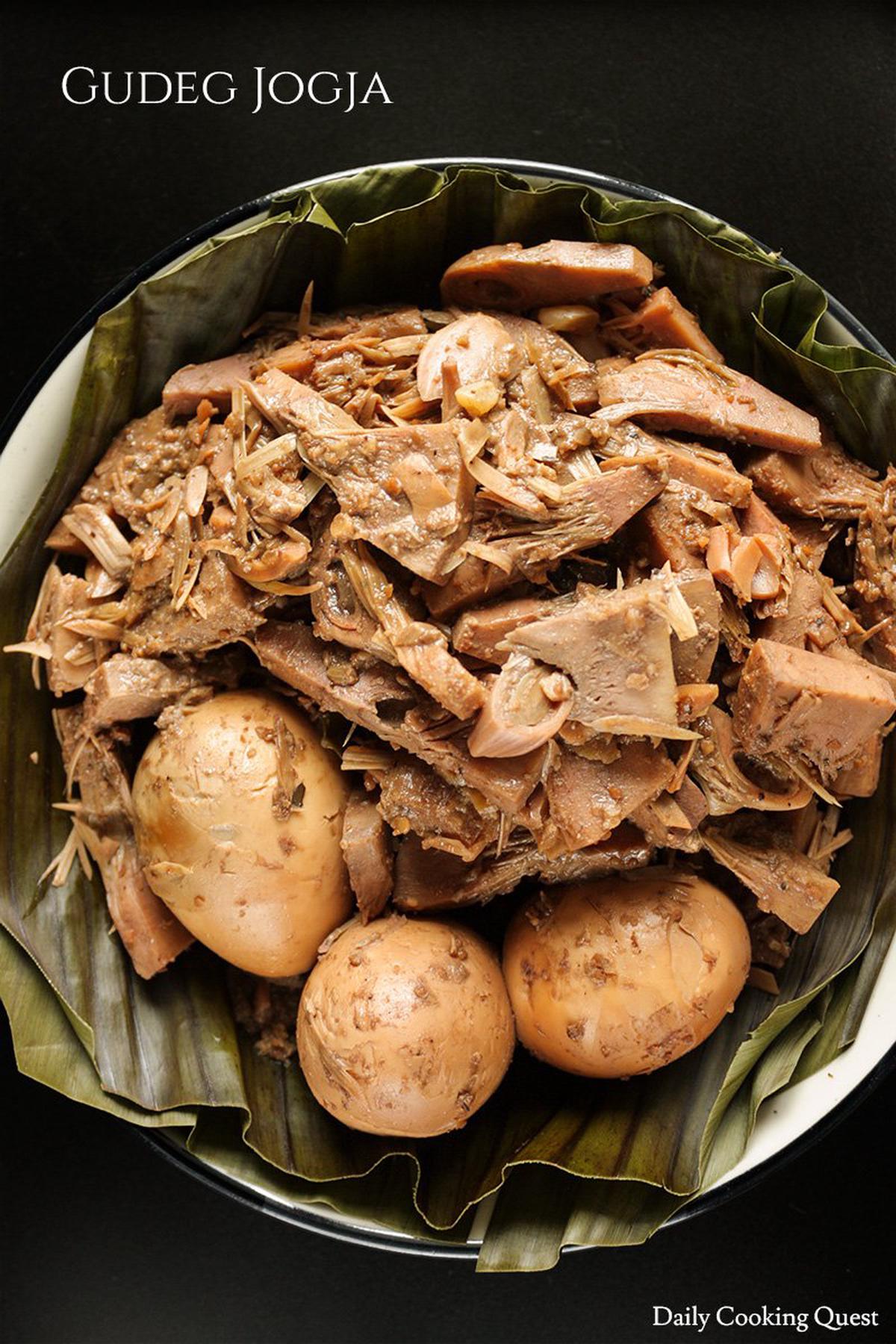
At its core gudeg is a simple dish but the complexity lies in its preparation The key ingredient is unripe jackfruit which is peeled cut into small pieces and boiled until tender This is then cooked in coconut milk along with a blend of spices such as lemongrass galangal cloves cinnamon and nutmeg The addition of jati leaves from the ironwood tree gives gudeg its signature dark brown color and earthy aroma
There are two main varieties of gudeg gudeg merah red gudeg and gudeg putih white gudeg Red gudeg gets its color from the use of jati leaves and sometimes moringa leaves while white gudeg relies on a lighter spice mix without these elements Both types are often served with areh a thick coconut milk sauce ayam chicken telur eggs tahu and tempe
Variations and Regional Differences

Gudeg comes in several forms each reflecting the culinary traditions of different regions in Java
- Gudeg kering Drier and less liquid often served as a side dish
- Gudeg basah Contains more coconut milk and is typically eaten with rice
- Gudeg Yogyakarta Known for its sweet and reddish hue often associated with the city itself
- Gudeg Solo Lighter in color and more watery with a milder flavor
These variations showcase how regional influences shape the dish making gudeg a reflection of the diverse cultures within Indonesia
Cultural Significance
Beyond its culinary appeal gudeg holds significant cultural value It is often associated with special occasions religious ceremonies and family gatherings In Yogyakarta it is so integral to the local identity that the city is affectionately called Kota Gudeg the City of Gudeg
In recent years gudeg has gained popularity beyond Indonesia appearing in restaurants across Malaysia Singapore and even in parts of Europe and the United States This global reach is a testament to its unique taste and the enduring legacy of Javanese cuisine
Modern Adaptations and Commercialization
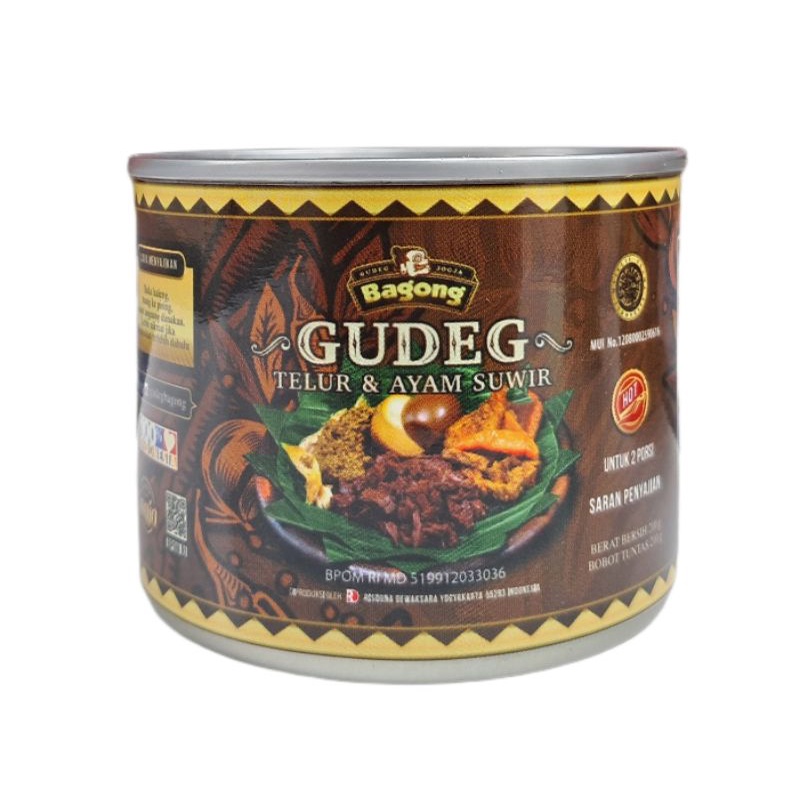
Today gudeg is no longer confined to home kitchens It is widely available in markets street stalls and restaurants and even in canned form Industrial production has made it easier for people to enjoy gudeg anytime anywhere While some purists argue that canned gudeg lacks the depth of flavor found in freshly made versions it has undeniably expanded the dishs accessibility
Despite modernization many traditional gudeg vendors continue to uphold the old methods ensuring that the essence of this iconic dish remains intact
Conclusion
Gudeg is more than just a dish it is a symbol of resilience tradition and community Its journey from a wartime necessity to a celebrated culinary icon reflects the rich tapestry of Indonesian culture Whether enjoyed in a bustling market in Yogyakarta or in a home kitchen gudeg continues to bring people together through its comforting savory and slightly sweet flavors