
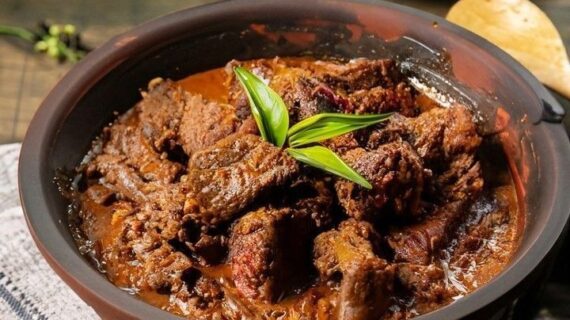
Indonesia a nation rich in cultural diversity boasts an equally vibrant culinary heritage that has captured the attention of the global community Among its many treasures five traditional dishes have been officially recognized as Intangible Cultural Heritage by UNESCO highlighting the significance of these foods not just as sustenance but as vital expressions of Indonesian identity These culinary traditions deeply rooted in history and culture are more than just mealsthey are stories rituals and symbols of the nations collective memory
The Importance of UNESCO Recognition
UNESCO the United Nations Educational Scientific and Cultural Organization plays a crucial role in safeguarding cultural heritage around the world By recognizing certain practices traditions and artifacts UNESCO ensures their preservation for future generations In the case of Indonesian cuisine this recognition underscores the unique ways in which food is intertwined with social customs religious beliefs and regional identities These five dishesrendang pempek nasi goreng lumpia and bubur ayamare not only beloved by Indonesians but also serve as ambassadors of the countrys rich cultural tapestry
Rendang A Symbol of Tradition and Taste

Rendang a slow cooked meat dish originating from West Sumatra is one of the most iconic examples of Indonesias culinary excellence Made with coconut milk spices and beef or chicken rendang is known for its deep complex flavors and long cooking process It is often prepared during significant events such as weddings festivals and religious ceremonies symbolizing prosperity and celebration
The dish was officially inscribed on UNESCOs Representative List of the Intangible Cultural Heritage of Humanity in 2013 This recognition not only highlights its cultural value but also ensures its protection against being commercialized or misrepresented Rendangs ability to withstand storage without refrigeration combined with its rich flavor makes it a favorite among both locals and international food enthusiasts
Pempek A Delicacy from Palembang
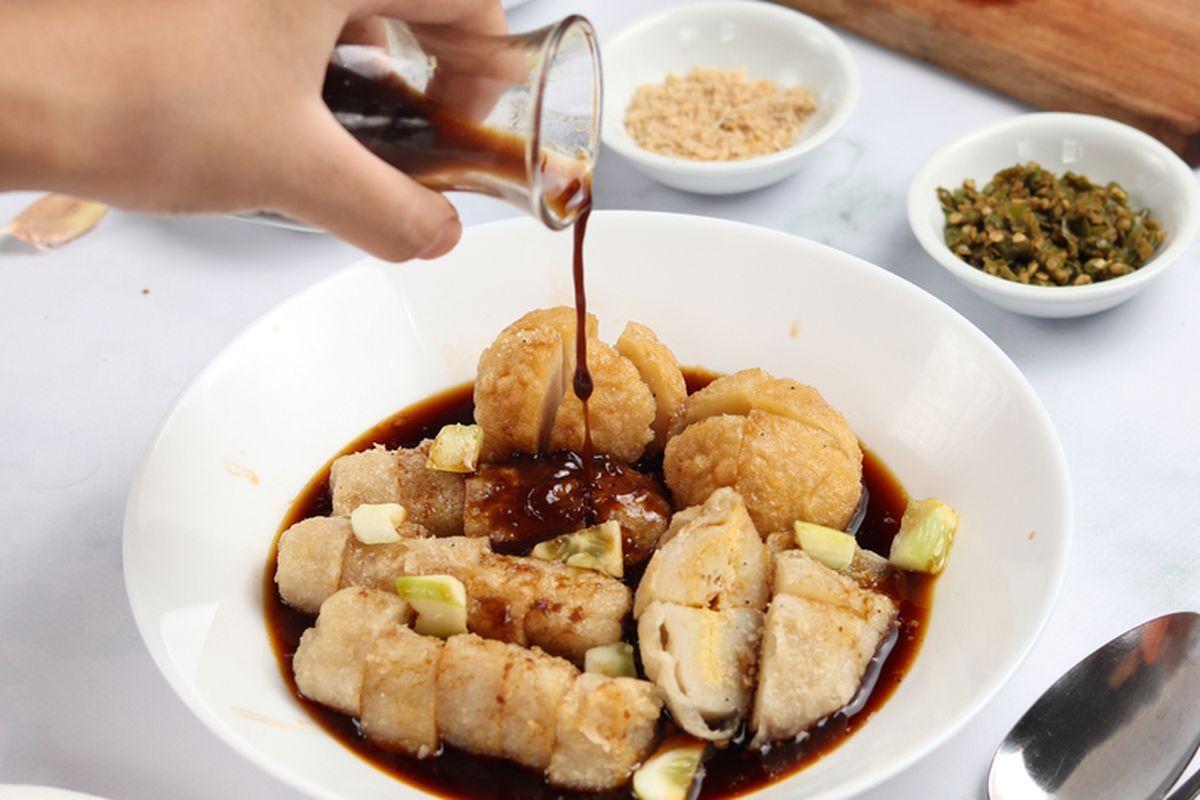
Pempek a beloved snack from Palembang in South Sumatra is another UNESCO recognized dish that showcases the regions culinary ingenuity Made from fish paste and various fillings such as vegetables eggs or shrimp pempek is typically served with a tangy sweet and spicy sauce called cuko Its chewy texture and bold flavors make it a staple in local cuisine
Pempek has been part of South Sumatran culture for centuries often associated with communal gatherings and festive occasions The dishs inclusion in UNESCOs list emphasizes its role in preserving the regions cultural identity and culinary traditions
Nasi Goreng The National Dish of Indonesia
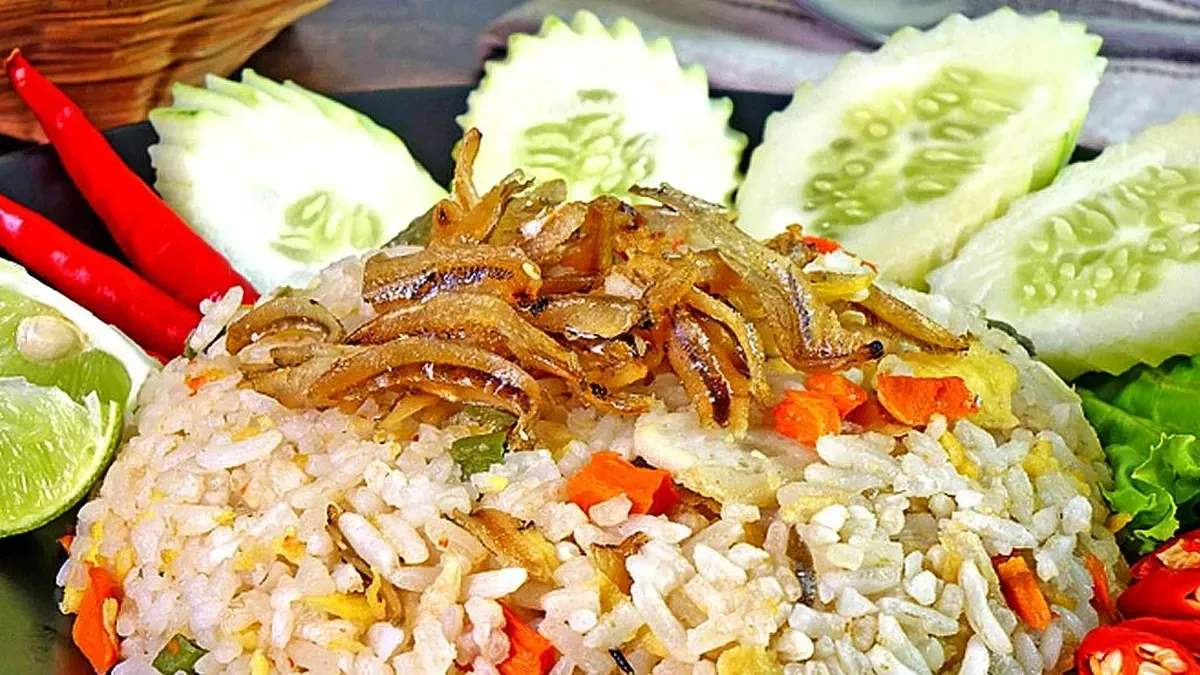
Nasi Goreng or fried rice is a dish that has transcended its origins to become a global favorite While it may seem simple nasi goreng is a reflection of Indonesias diverse influences incorporating elements from Chinese Malay and Javanese cuisines It is made by stir frying leftover rice with soy sauce vegetables and proteins like chicken egg or shrimp
In 2011 nasi goreng was featured in CNN Internationals Worlds 50 Most Delicious Foods further cementing its status as a must try dish Beyond its popularity nasi goreng holds a special place in Indonesian culture often served at family gatherings and as a comfort food for many
Lumpia A Fusion of Flavors
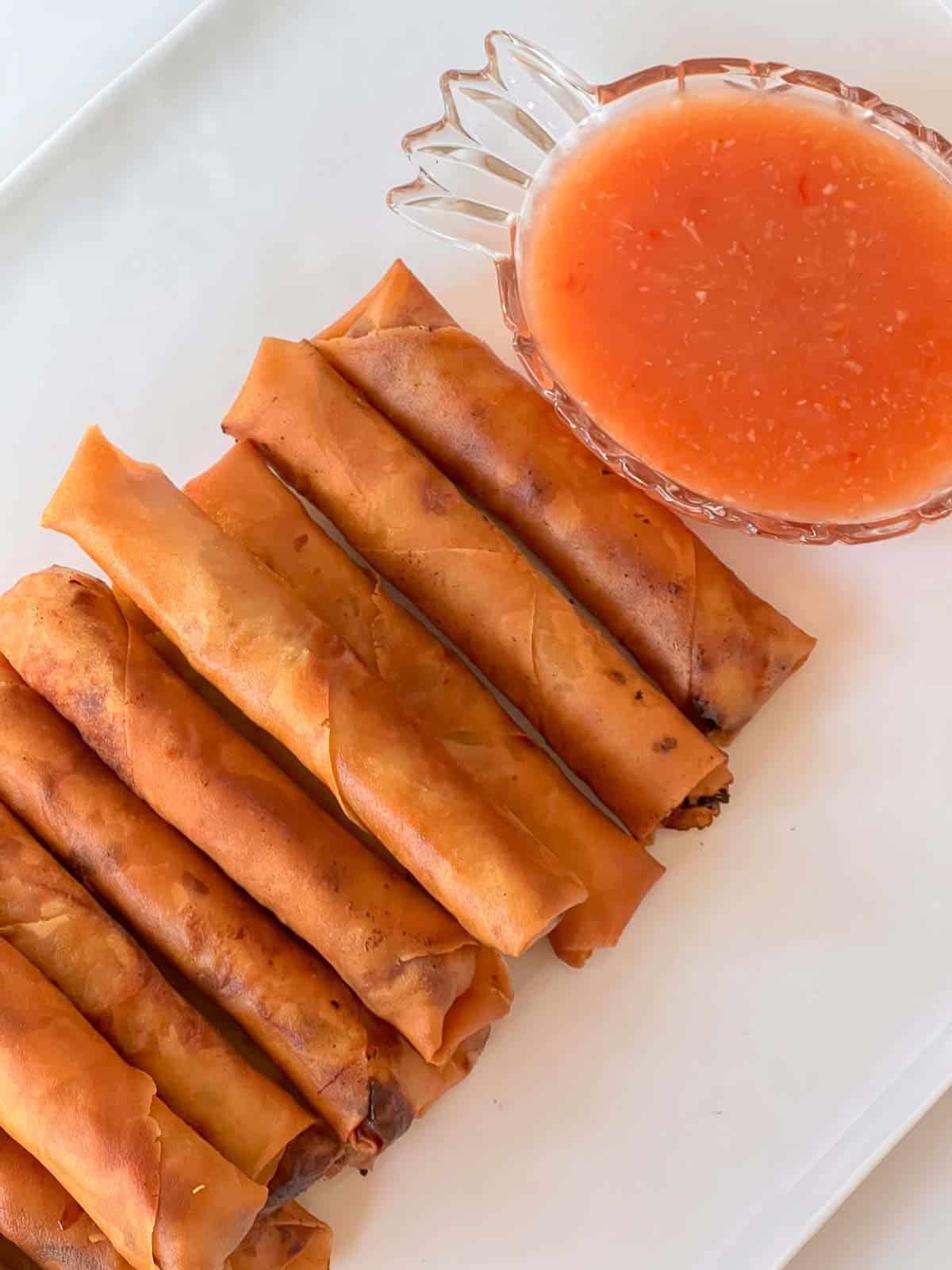
Lumpia a crispy spring roll originating from Semarang Central Java is another UNESCO recognized delicacy Traditionally filled with a mix of vegetables meat and sometimes seafood lumpia is a testament to the blending of indigenous and Chinese culinary influences in Indonesia
The dish known as lun pia in Chinese has evolved over time to reflect local tastes and ingredients Its widespread popularity across Indonesia and abroad has made it a symbol of the countrys culinary adaptability and creativity
Bubur Ayam A Comforting Breakfast Staple
Bubur ayam a savory chicken porridge is a traditional breakfast dish enjoyed by many Indonesians Made with rice chicken broth and various toppings like fried shallots boiled eggs and herbs bubur ayam is a comforting and nourishing meal that reflects the simplicity and warmth of Indonesian home cooking
Although not yet officially listed by UNESCO bubur ayam is widely regarded as a national dish and is an integral part of daily life in many regions Its humble nature and universal appeal make it a cherished part of Indonesias culinary landscape
The Role of Culinary Heritage in National Identity
The recognition of these dishes by UNESCO is more than just a nod to their tasteit is a celebration of Indonesias cultural resilience and diversity These foods are not only about flavor they are about storytelling tradition and the shared experiences of communities across the archipelago
As Indonesia continues to grow and modernize preserving its culinary heritage becomes increasingly important Efforts to promote and protect these traditional dishes ensure that future generations can continue to enjoy and appreciate the richness of their cultural roots
Conclusion
Indonesias culinary heritage is a vibrant and essential part of its national identity From the slow cooked richness of rendang to the crispy delight of lumpia each dish tells a story of history culture and community UNESCOs recognition of these foods serves as a reminder of their valuenot just as meals but as living testaments to the nations enduring legacy
By embracing and promoting these culinary traditions Indonesia can continue to share its unique flavors with the world while safeguarding its cultural heritage for generations to come