
Nasi goreng or Indonesian fried rice is one of the most iconic and beloved dishes in Indonesia Known for its rich flavors and versatility this dish has captured the hearts of locals and international food lovers alike According to a notable ranking by CNN nasi goreng was once among the top 10 most delicious foods in the world However what many may not know is that this simple yet flavorful dish comes in over 100 variations across Indonesia each reflecting the unique culinary traditions of different regions
The Origins and Evolution of Nasi Goreng
While nasi goreng is now deeply rooted in Indonesian cuisine its origins trace back to Chinese influences The dish evolved over time incorporating local ingredients and techniques to create something uniquely Indonesian At its core nasi goreng consists of fried rice seasoned with a blend of spices including garlic chili and scallions The addition of kecap manis a sweet soy sauce gives the rice its signature dark brown color and caramelized flavor
Despite its simplicity nasi goreng has become a symbol of national pride It is often served with a fried egg fresh vegetables and sometimes seafood making it a complete meal The dishs adaptability has allowed it to thrive in both home kitchens and street vendors showcasing the creativity and resourcefulness of Indonesian cooks


Regional Variations of Nasi Goreng

Indonesias vast archipelago has given rise to numerous regional variations of nasi goreng each with its own distinct flavor profile and ingredients Here are some of the most popular types
-
Nasi Goreng Pedas Gila Gila Spicy Fried Rice
This version is known for its bold combination of ingredients It typically includes up to 10 different toppings such as meatballs sausages and offal The name gila translates to crazy reflecting the dishs intense mix of flavors The use of chili adds a fiery kick making it a favorite among spice lovers -
Nasi Goreng Padang Padang Spicy Fried Rice
Originating from West Sumatra this dish is characterized by its deep red color and rich flavor The use of curry powder gives it a distinctive taste while toppings like dried meat and crackers add texture The balance of heat and spice makes it a standout in the world of Indonesian fried rice -
Nasi Goreng Magelangan Magelang Fried Rice
Hailing from Central Java this variation combines rice with noodles creating a unique texture It often includes chicken and eggs with a touch of tauge bean sprouts for added nutrition The traditional cooking method using a stove enhances the depth of flavor -
Nasi Goreng Kambing Mutton Fried Rice
Popular in Jakarta this dish features mutton as the main protein The use of aromatic spices like cloves cinnamon and turmeric gives it a complex flavor The tender meat and fragrant seasoning make it a must try for those seeking a more adventurous taste -
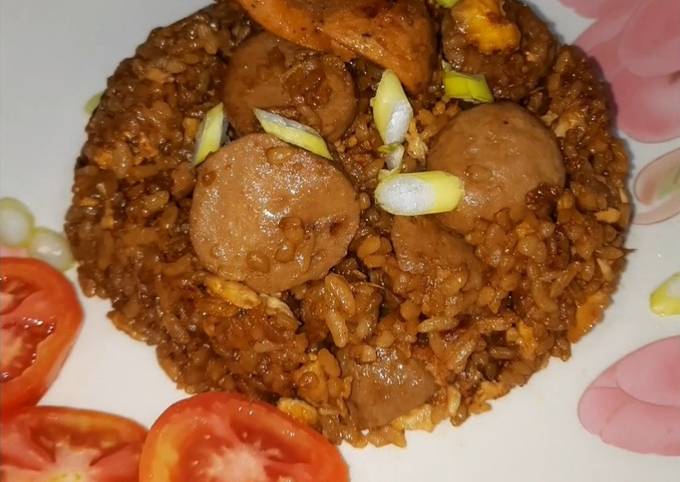
Nasi Goreng Kampung Village Fried Rice
A simple and rustic version nasi goreng kampung is often found at roadside stalls It uses basic ingredients like eggs and meatballs with minimal use of soy sauce Its affordability and ease of preparation make it a staple in many households -
Nasi Goreng Makassar Makassar Fried Rice
Known for its vibrant red color this dish uses homemade tomato sauce instead of store bought varieties The result is a slightly sweet and spicy flavor that pairs well with seafood and lime The addition of fresh vegetables enhances the dishs nutritional value
The Popularity of Nasi Goreng Beyond Indonesia
Beyond its native land nasi goreng has gained international recognition It is a common sight in Indonesian restaurants around the world where it is often served with a fried egg and a side of vegetables The dishs popularity can be attributed to its simplicity affordability and ability to be customized to suit various tastes
In recent years nasi goreng has also inspired creative variations such as nasi goreng sayur vegetable fried rice and nasi goreng hijau green fried rice which incorporate a variety of greens and herbs These adaptations highlight the dishs flexibility and enduring appeal
How to Make Nasi Goreng at Home
For those eager to try their hand at making nasi goreng the process is straightforward The key ingredients include cold day old rice garlic chili onions and kecap manis For an authentic touch shrimp paste can be added to enhance the flavor The dish is typically cooked in a wok or skillet with the rice stir fried until it achieves a caramelized finish
Serving nasi goreng is equally simple It is often accompanied by a fried egg fresh vegetables and a squeeze of lime Some variations include additional toppings like fried shallots or crispy crackers adding texture and depth to the dish
Conclusion
Nasi goreng is more than just a dish it is a reflection of Indonesias diverse culinary heritage From the spicy and bold flavors of nasi goreng pedas gila to the comforting simplicity of nasi goreng kampung each variation tells a story of tradition and innovation As it continues to gain popularity worldwide nasi goreng remains a testament to the richness and complexity of Indonesian cuisine Whether enjoyed at a street stall or prepared at home this beloved dish is a true representation of the countrys cultural identity