Papeda a traditional sago porridge from the Maluku Islands and coastal regions of Papua has long been a staple in the diets of indigenous communities This unique dish made from sago starch is not only a source of nutrition but also a symbol of cultural heritage that reflects the deep connection between the people of Papua and their natural environment As it gains recognition on a global scale papeda continues to be celebrated for its simplicity nutritional value and role in preserving traditional culinary practices
The Origins and Preparation of Papeda
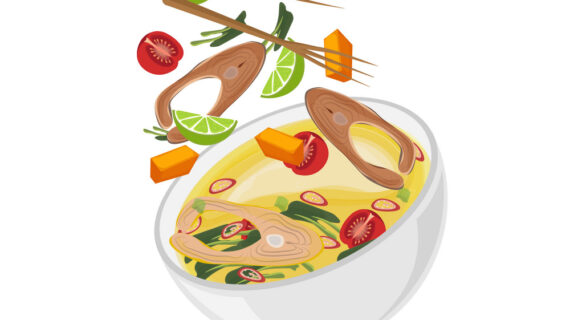
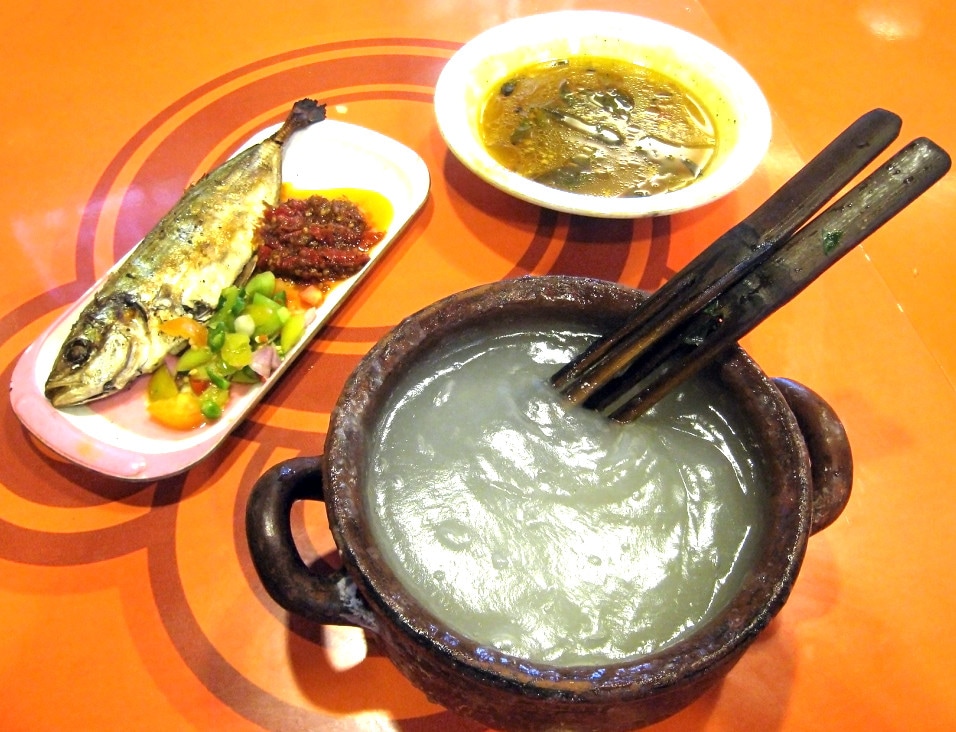
Papeda is derived from sago a starchy substance extracted from the trunk of the sago palm tree The process involves felling the tree cutting it in half and scraping out the soft inner pith This pith is then mixed with water and squeezed to extract the starch which is subsequently cooked into a glue like consistency The result is a dish that is both nutritious and versatile often served with various accompaniments such as grilled fish yellow soup or stir fried vegetables
The preparation of papeda is deeply rooted in the traditions of the indigenous peoples of Papua In regions like Sentani Taikat and Manokwari papeda is a common dish that showcases the resourcefulness of these communities in utilizing local ingredients The dish is typically eaten with a wooden fork called gata gata a practice that highlights the cultural significance of communal eating and the importance of traditional tools in daily life
Variations and Culinary Uses
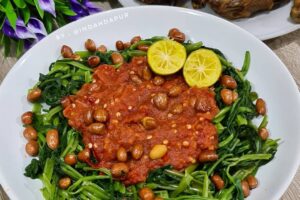
While papeda is most commonly associated with being served alongside fish there are several variations that reflect the diversity of regional cuisines In some areas it is paired with red snapper tuna or even boiled tubers like yams and cassava Additionally papeda can be enjoyed with sayur ganemo a side dish made from young melinjo leaves papaya flowers and red chilies These combinations not only enhance the flavor but also showcase the adaptability of this traditional dish
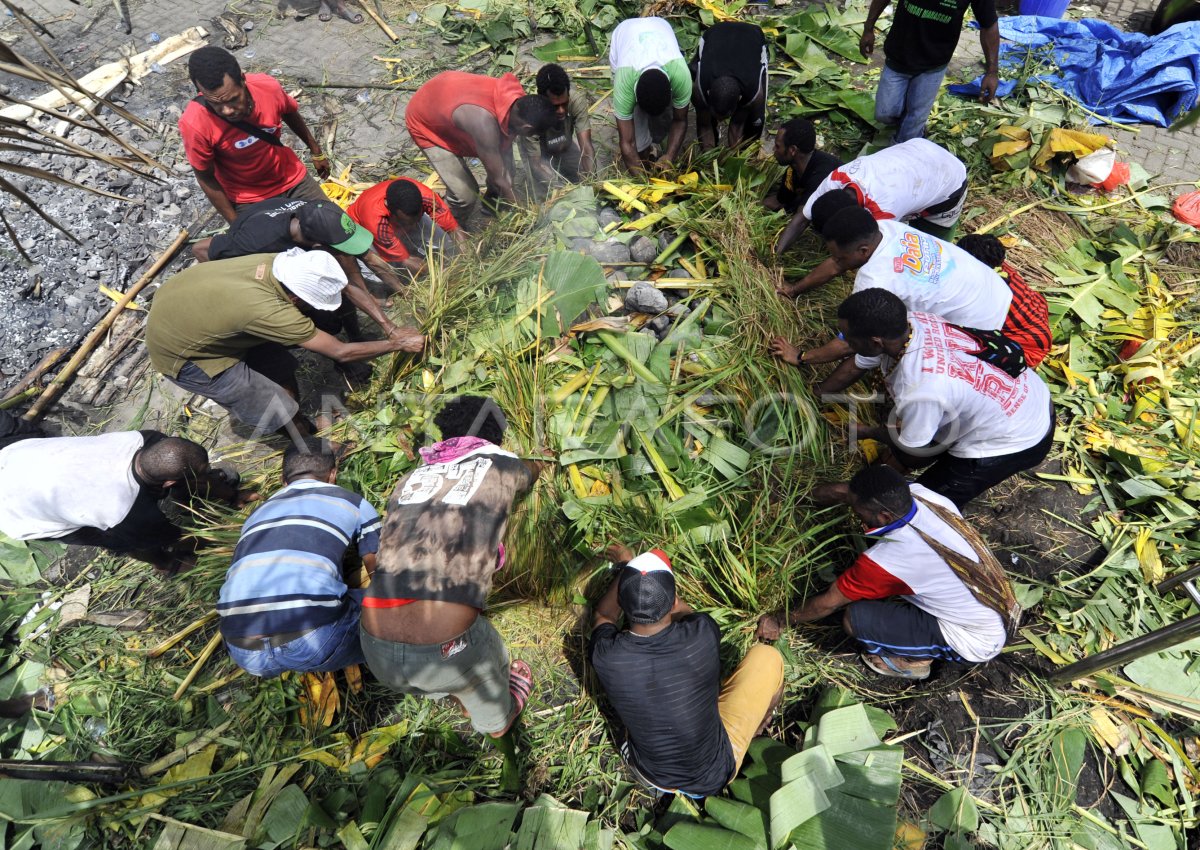
In certain regions papeda is also prepared using alternative methods such as the bakar batu stone burning technique This method involves heating stones over a fire and then using them to cook the sago mixture This approach not only imparts a unique flavor but also emphasizes the naturalist cooking philosophy that is central to Papuan culture
Nutritional Benefits of Papeda

From a health perspective papeda offers several benefits It is low in fat and cholesterol while being rich in fiber and carbohydrates According to nutritional data 100 grams of sago provides approximately 209 kilocalories making it an excellent energy source Additionally the low glycemic index of sago makes it a suitable option for individuals with diabetes The high fiber content aids in digestion and promotes gut health while the presence of essential minerals like calcium and iron contributes to overall well being
Moreover papeda is believed to have detoxifying properties helping to cleanse the bodys internal organs Regular consumption is said to aid in the prevention of kidney stones and support respiratory health particularly for those who smoke These health benefits further underscore the importance of papeda as a vital component of the traditional diet in Papua
Cultural Significance and Recognition
Papedas cultural significance extends beyond its nutritional value It is recognized as an intangible cultural heritage by UNESCO highlighting its role in preserving the identity and traditions of the indigenous peoples of Indonesia In 2023 Google featured papeda as a special design on its homepage celebrating its 8th anniversary as a UNESCO recognized heritage This recognition has helped to raise awareness about the dish and its cultural importance both within Indonesia and internationally
The inclusion of papeda in global platforms has also led to increased interest in traditional Papuan cuisine Restaurants in cities like Jakarta now offer papeda as part of their menus introducing this unique dish to a wider audience One such establishment is Yougwa a restaurant that serves papeda alongside other traditional dishes providing a taste of Papuas culinary heritage to urban diners
Preserving Tradition in a Changing World
As modernization and globalization continue to influence food culture efforts are being made to preserve traditional practices like the preparation and consumption of papeda Local communities along with anthropologists and cultural advocates emphasize the importance of maintaining these traditions to ensure they are passed down to future generations Initiatives such as the Merayakan Gastronomi Indonesia event highlight the need to celebrate and protect the unique culinary heritage of Indonesia
In conclusion papeda represents more than just a dish it is a symbol of resilience tradition and cultural identity As it continues to gain recognition papeda remains a vital link to the past offering a glimpse into the rich and diverse culinary landscape of Papua Through continued appreciation and preservation this traditional sago porridge will continue to play a significant role in the cultural and gastronomic heritage of Indonesia