Introduction
In the heart of Indonesia nestled within the lush landscapes of Papua and the Maluku Islands lies a traditional dish that has transcended its regional roots to become a symbol of cultural heritage and nutritional value Papeda a staple food made from sago flour is more than just a mealit is a testament to the rich culinary traditions of the indigenous peoples of this region This article explores the origins preparation cultural significance and health benefits of papeda while also highlighting its growing popularity beyond its native lands
Origins and Cultural Significance
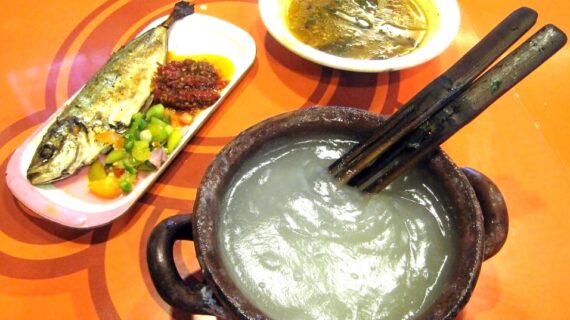
Papeda is a dish rooted in the traditions of the indigenous communities of Kepulauan Maluku and the western coast of Papua It is primarily made from sago flour which is derived from the starch of the sago palm The dish is known for its white sticky texture and mild bland flavor Traditionally it is served alongside various types of fish such as skipjack tuna or a type of fish known as bubara which is seasoned with turmeric
The cultural importance of papeda extends beyond its culinary appeal It is deeply embedded in the daily lives and rituals of the local communities Anthropologist Johszua Robert Mansoben notes that papeda is particularly significant among the Sentani people of Danau Sentani as well as those in Taikat and Manokwari In these regions papeda is not just a meal but a part of social gatherings and ceremonies reflecting the deep connection between food and culture
Preparation and Variations

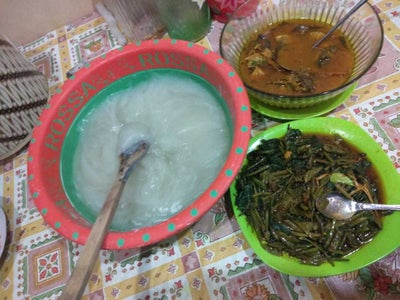
The process of making papeda involves mixing sago flour with water and boiling it until it reaches a thick sticky consistency The result is a soft glue like texture that is typically eaten with the hands often accompanied by a side of fish or vegetables While the basic recipe remains consistent there are variations depending on the region For instance in some areas papeda is paired with ikan kuah kuning a yellow fish soup while others may serve it with sayur ganemo a dish made from young melinjo leaves papaya flowers and red chili
One of the most notable aspects of papeda is its versatility It can be combined with different types of fish including red snapper and bubara and even incorporated into vegetable dishes This adaptability has allowed papeda to remain relevant and appreciated across different communities
Health Benefits

Beyond its cultural and culinary significance papeda offers several health benefits Sago the primary ingredient is a rich source of carbohydrates providing energy without adding excessive fat It is low in cholesterol and high in fiber making it an excellent choice for maintaining digestive health The high fiber content also acts as a prebiotic promoting a healthy gut microbiome and supporting immune function
Additionally the low glycemic index of sago makes it a suitable option for individuals with diabetes Regular consumption of papeda is believed to help in preventing kidney stones due to its cleansing properties For smokers papeda is thought to aid in gradually detoxifying the lungs further emphasizing its role as a nutritious and functional food
Recognition and Global Reach

Papedas cultural significance was formally recognized when it was designated as an Intangible Cultural Heritage of Indonesia by UNESCO on October 20 2015 To commemorate this milestone Google featured papeda as a special design on its homepage on October 20 2023 This global recognition highlights the importance of preserving traditional foods and their associated practices
In recent years papeda has begun to gain traction outside of its native regions It can now be found in select restaurants in Jakarta where it is being introduced to a broader audience One such establishment is Yougwa a restaurant that serves papeda as part of its menu offering a taste of Papua to city dwellers
Conclusion
Papeda is more than just a dish it is a reflection of the cultural heritage and natural resources of Papua and the Maluku Islands Its unique texture versatility and nutritional benefits make it a valuable addition to any diet As awareness of its significance grows papeda continues to find new audiences bridging the gap between tradition and modernity Whether enjoyed in a traditional setting or in a contemporary restaurant papeda stands as a symbol of the enduring legacy of the indigenous peoples of Indonesia