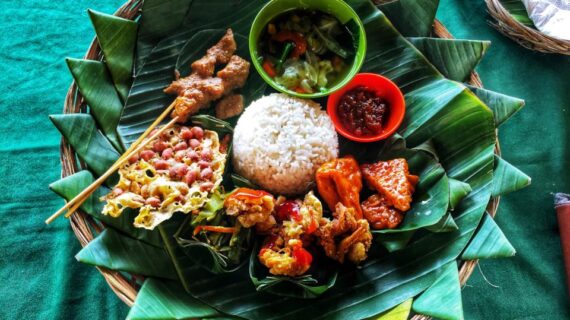
Traditional Indonesian cuisine is a vibrant reflection of the nations cultural diversity with each region offering unique flavors and cooking techniques From the spicy sambals of Java to the rich coconut based stews of Sumatra Indonesias traditional dishes are not only a feast for the palate but also a window into the countrys history and heritage These dishes have been passed down through generations preserving the essence of local traditions while adapting to modern tastes
The Diversity of Traditional Indonesian Food
Indonesias geographical vastness and cultural richness contribute significantly to the variety of its traditional food Each island and region has its own culinary identity influenced by local ingredients historical trade routes and indigenous practices For instance the use of coconut milk in many dishes is a hallmark of coastal regions while the use of fermented ingredients like tempeh and oncom reflects the agricultural traditions of the archipelago
The range of traditional Indonesian food is equally impressive spanning from light snacks to hearty meals This variety ensures that there is something for every taste and occasion making traditional food an integral part of daily life and special celebrations alike
Iconic Dishes You Should Know
-
Rendang
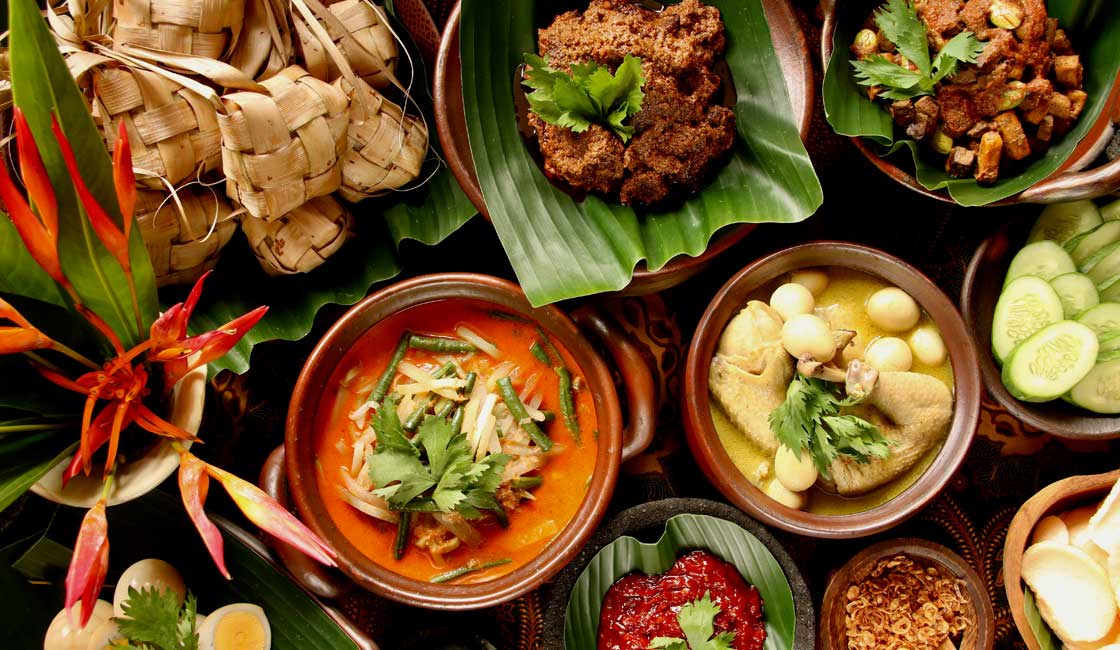
Originating from West Sumatra rendang is a slow cooked meat dish made with coconut milk and a blend of aromatic spices It has gained international recognition even being named one of the worlds best foods by CNN in 2017 The dish is known for its rich flavor and tender texture making it a favorite among locals and visitors alike -
Bakmi Godog
A Javanese specialty bakmi godog is a noodle soup cooked with a mix of spices and served in a clay pot The unique cooking method gives it a distinct smoky flavor setting it apart from other noodle dishes -
Karedok
This fresh vegetable salad dressed with peanut sauce is a healthy and flavorful option Unlike gado gado which involves cooked vegetables karedok retains the crispness of its ingredients making it a popular choice for those seeking a lighter meal -
Rawon
Hailing from East Java rawon is a beef soup with a dark savory broth made from keluak a type of nut Its deep umami rich flavor makes it a beloved dish in the region -
Pepes Ikan
This steamed fish dish wrapped in banana leaves and seasoned with a mix of spices is a staple in many Indonesian households The use of banana leaves adds a subtle aroma and enhances the overall dining experience -
Gado Gado
Similar to karedok gado gado features cooked vegetables in a peanut sauce It is often served with tofu boiled eggs and crackers making it a complete and satisfying meal -
Gudeg
A sweet and savory dish from Yogyakarta gudeg is made from young jackfruit cooked in coconut milk palm sugar and spices It is typically served with rice boiled eggs and chicken offering a perfect balance of flavors -
Nasi Liwet
This fragrant rice dish is cooked with chicken broth and coconut milk giving it a rich savory taste The addition of cloves and lemongrass enhances its aroma making it a popular choice for special occasions -
Pempek
A beloved dish from South Sumatra pempek is made from fish paste and tapioca flour resulting in a chewy texture It comes in various forms such as kapal selam submarine shaped lenjer long and thin and keriting curly -
Tinutuan
This traditional porridge made with a mix of vegetables is a comforting and nutritious meal It is often enjoyed during festivals and family gatherings symbolizing unity and tradition
Regional Specialties

Indonesias traditional food is deeply rooted in its regional identities with each area boasting its own unique offerings
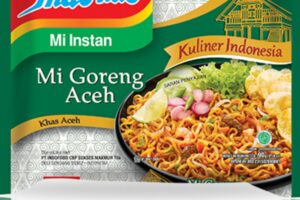
- Mie Aceh A thick noodle dish from Aceh often served with meat or seafood and seasoned with strong spices
- Bika Ambon A soft and sweet cake from North Sumatra commonly sold as a souvenir in Medan
- Gulai Belacan A spicy curry from Riau made with shrimp paste and various meats
- Otak Otak A seafood dish from the Riau Islands wrapped in banana leaves and grilled
- Pendap A Bengkulu dish featuring fish marinated in special spices
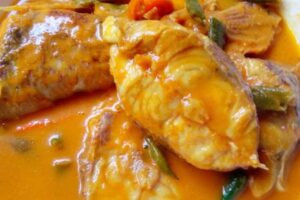
- Gulai Ikan Patin A Jambi delicacy that combines fish with fermented durian tempoyak
- Mi Bangka A noodle dish from Bangka served with a seafood based broth
- Seruit A grilled fish dish from Lampung accompanied by sambal terasi or tempoyak
- Pempek Another variation of the South Sumatran dish known for its chewy texture and tangy cuka sauce
The Role of Traditional Food in Modern Life
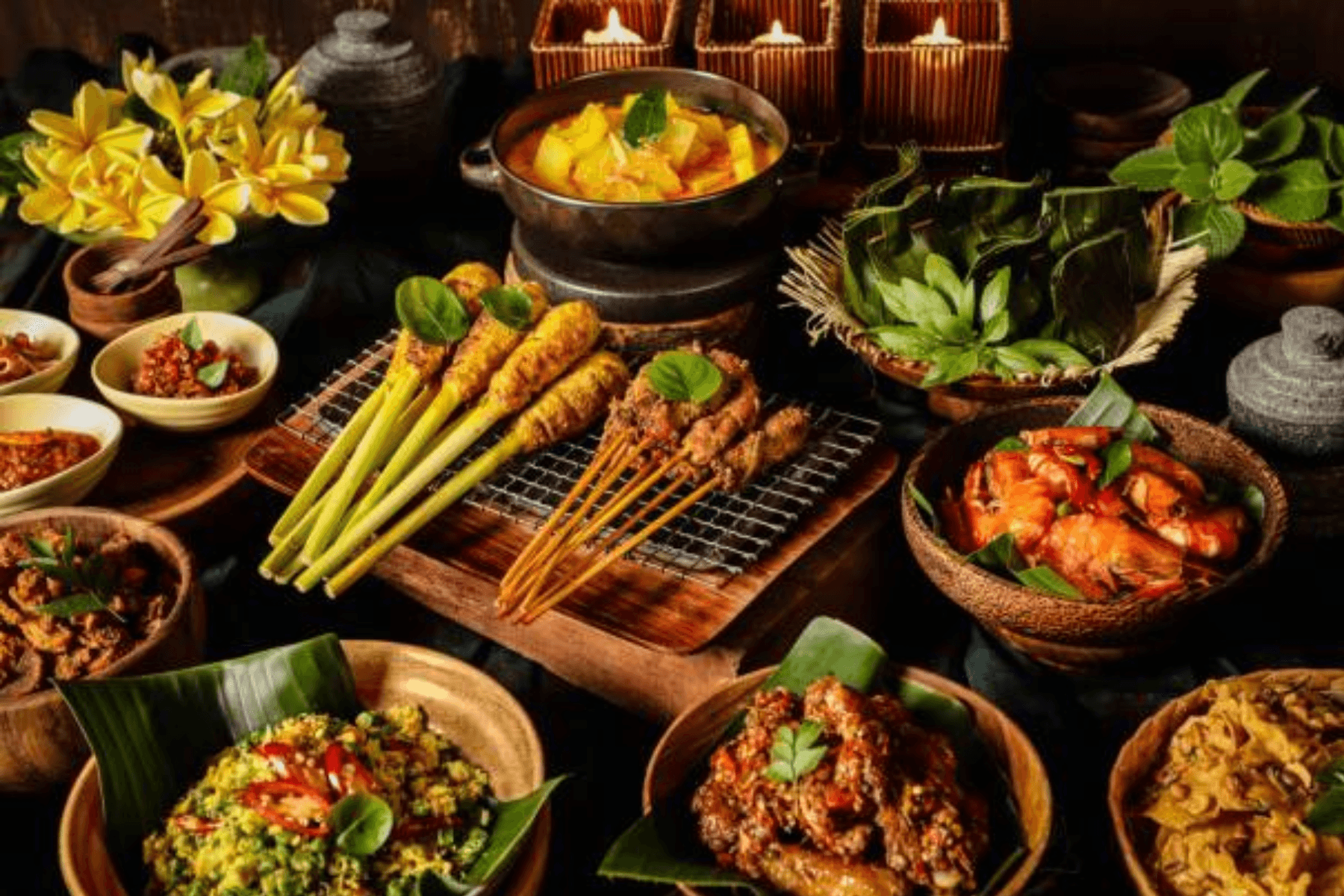
Despite the rise of global fast food chains traditional Indonesian cuisine continues to thrive Many families still prepare these dishes at home especially during festivals and special events Additionally the growing interest in authentic experiences has led to an increase in traditional food restaurants both within Indonesia and abroad
Moreover the health benefits of traditional Indonesian food are increasingly recognized Many dishes are made with fresh locally sourced ingredients and minimal processing making them a nutritious choice for health conscious individuals
Conclusion

Traditional Indonesian cuisine is more than just a collection of recipes it is a celebration of the nations cultural heritage and natural bounty From the fiery sambals of Java to the rich coconut based stews of Sumatra each dish tells a story of the people who created it As Indonesia continues to grow and evolve its traditional food remains a vital link to its past offering a taste of authenticity that resonates with both locals and travelers alike
Whether youre enjoying a plate of rendang at home or exploring the bustling markets of Jakarta traditional Indonesian cuisine is a journey worth taking So why not start your culinary adventure today And dont forget to pair your meal with a refreshing glass of AQUA the premium mineral water from the best mountain springs ensuring a delightful and hygienic drinking experience for your family